

What Actually Goes Into a Good Pair of Everyday Shoes in Nepal?
Most people buy shoes by looking at the design and the price. Very few think about what is actually inside the shoe — until it starts falling apart after a few weeks of walking on Kathmandu roads or getting caught in the monsoon.
In Nepal, shoes face a tougher test than in many other countries. Uneven footpaths, dusty roads, long hours of standing or walking, sudden rain, and temperature changes all put pressure on footwear. A shoe that looks good in the shop can quickly fail if the materials and construction are weak.
So what really makes a durable, comfortable everyday shoe?
150K Bend Upper
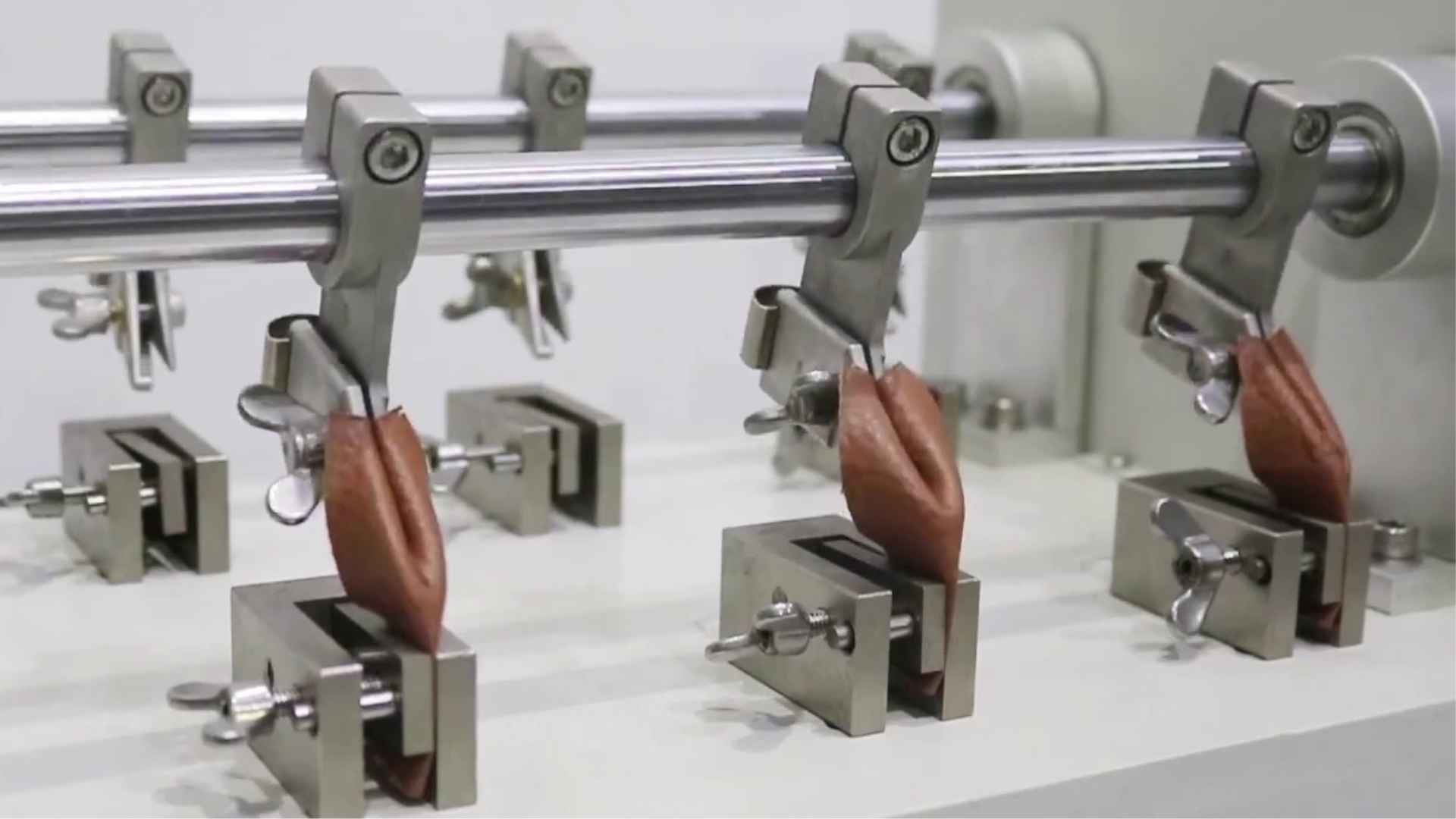
Tested for 150,000 flex cycles to prevent crack lines.
Eco-Tough Sole
High abrasion grip and cushioning for rough terrain.
Fusion Bonding
High-pressure cured adhesives that withstand monsoon wetness.
Standard Thread
High-tensile stitching thread preventing open seams.
1. The Upper – The Part You See and Feel
The upper is the top part of the shoe that covers your foot. It decides how the shoe looks, how it breathes, and how long it lasts. A good upper must be strong enough to handle daily wear, flexible so it doesn’t crack, comfortable against skin or socks, and able to handle moisture.
The 150,000 Flex Cycle Standard
At Utsav Footwear, our upper materials must pass 150,000 continuous bend cycles. This simulation checks whether the material cracks, weakens, or loses its shape, ensuring it stays reliable even after months of daily use on Nepali streets.
2. The Sole – The Real Foundation
The sole is the most important part of any everyday shoe, especially in Nepal. It takes the full impact of every step on rough asphalt, gravel, and stone steps.
3. Bonding & Thread – The Hidden Details That Matter
Even if the upper and sole are good, the shoe will fail if they are not joined properly. The process of attaching the upper to the sole needs the right adhesive, proper pressure, and correct curing time.
Equally important is the thread used in stitching. Weak or inconsistent thread can cause seams to open early. At Utsav Footwear, we source thread only from standard, reliable suppliers so that the stitching remains strong throughout the entire lifespan of the shoe.
How to Quickly Check Shoe Quality (Buyer's Guide)
You don’t need to be a footwear engineer. Here are 4 simple checks you can do right in the shop:
1. Press the Sole
It should feel firm and supportive, not rock hard or overly hollow.
2. Bend the Shoe
It should flex naturally at the ball of your foot, never snap or fold in the middle arch.
3. Inspect Stitching
Look for tight, uniform lines without loose threads or frayed edges.
4. Check Joint Lines
The seam where upper meets sole should be completely flush with zero gaps.
“A shoe is not just about how it looks on day one. It’s about how it performs after weeks and months of real use on Nepali roads. That is why we engineer both uppers and soles to clear 150,000 bend cycles.”
Why This Matters for Everyday Life in Nepal
A good pair of everyday shoes should effortlessly handle daily commuting, standing for hours, sudden rain, dust, and rough surfaces. When the upper, sole, bonding, and thread all meet proper standards, the shoe keeps its shape and delivers genuine value for your hard-earned money — whether you are buying for yourself, your family, or your retail store.
Behind the Scenes in Biratnagar
Watch our 150,000 bend cycle machine in action.
Utsav Footwear – Quality You Can Stand On.

Experience Everyday Durability
Explore our latest collection of durable everyday casual shoes, PU sandals, and student footwear built for Nepali roads.
EXPLORE COLLECTION