
The Science of Sole Longevity: Why Utsav Footwear Prefers Polyether PU Systems
Have you ever taken a pair of shoes out of your closet after a few months, only to find the soles crumbling into dust? This frustrating phenomenon is called Hydrolysis. At Utsav Footwear, we believe that a shoe is only as good as its foundation. To combat sole failure and increase product life, we utilize advanced Polyether-based Polyurethane (PU) systems.
In this article, we dive into the chemistry of footwear and explain why the choice between Polyester and Polyether PU makes all the difference for your feet and your wallet.
Understanding PU: Polyester vs. Polyether
Polyurethane (PU) is the gold standard for high-quality shoe soles because it is lightweight, shock-absorbent, and flexible. However, not all PU is created equal. There are two primary chemical systems used in manufacturing:
1. Polyester PU Systems
Polyester PU is common in global footwear manufacturing because it offers initial strength. However, it has one fatal flaw: it degrades with water. In humid climates like Nepal, moisture in the air breaks down chemical bonds, causing soles to turn brittle and crumble in storage.
2. Polyether PU Systems
Polyether PU is a superior alternative engineered with water-resistant chemical bonds. It is Hydrolysis-resistant, meaning humidity, rain, and storage do not compromise the sole structure, ensuring your footwear lasts through seasons of heavy use.
Why Utsav Uses Polyether PU in Nepal
Nepal’s climate ranges from heavy monsoon rains to high-humidity summer days. Under these conditions, standard Polyester soles can fail in as little as 12 months. Here is how our switch to Polyether PU increases the life of your footwear:
- Superior Hydrolysis Resistance: Our soles remain intact and flexible even in wet conditions, preventing the "crumbling" effect seen in cheaper brands.
- Microbial Resistance: Polyether PU is naturally resistant to fungus and bacteria, which often thrive in dark, damp shoe racks.
- Long-Term Flexibility: Unlike Polyester, which stiffens over time, Polyether keeps its "bounce" and cushioning for years, maintaining maximum comfort.
- Better Performance in Cold: For our customers in the hilly and Himalayan regions, Polyether PU remains flexible at lower temperatures where other materials might crack.
A Commitment to Quality
“We don't just manufacture shoes; we engineer durability. By choosing Polyether PU systems, we provide our customers with a product that doesn't just look good on day one, but performs reliably for years. It’s about building trust through better chemistry.”
Conclusion: Walk Further, Step Confidently
When you choose Utsav Footwear, you are investing in a product designed to last. Our dedication to using Polyether PU is a testament to our mission: providing high-quality, durable, and stylish footwear for every household in Nepal.
Stop worrying about your soles falling apart. Experience the difference of a shoe built with the right science.
Utsav Footwear – Quality You Can Stand On.
Explore Our Hydrolysis-Resistant Footwear
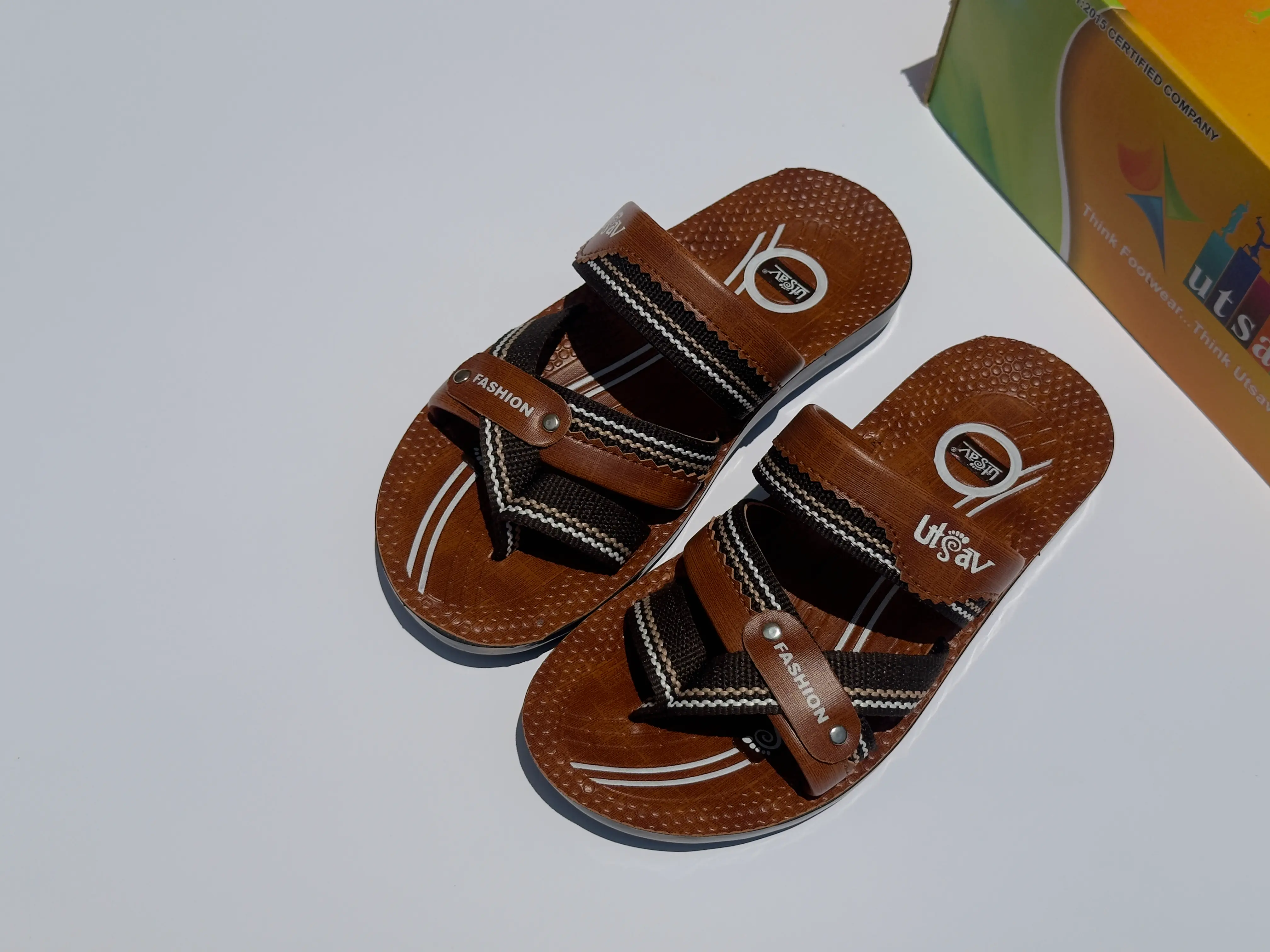
Discover our latest collection of durable PU sandals and shoes built for Nepal's climate.
View Product CollectionKeywords: Polyether PU, Polyester PU difference, shoe sole crumbling fix, footwear manufacturing Nepal, hydrolysis resistant soles, Utsav Footwear technology.